
Networking Event Catering: How to Plan Food That Keeps Guests Connecting
A successful networking event should make it easy for people to meet, move around, and keep conversations going without unnecessary interruptions. Food plays a practical role in making that possible.
Good networking event catering differs from catering for a formal dinner or boardroom lunch. Guests may spend most of the event standing, introducing themselves and moving between different groups. The food, service and layout should support that behaviour rather than becoming the main activity of the room.
Why Catering Matters at a Networking Event
Networking events depend on interaction. If guests spend too much time waiting for food, finding somewhere to sit or managing plates and cutlery, opportunities for conversation can quickly disappear.
The catering format should let people eat comfortably while staying part of the event. Smaller dishes, roaming service and well-positioned food areas can help guests continue moving around the venue.
That is why networking event catering should be planned around how people will use the room. The goal is not simply to provide a meal, but to make food fit naturally around introductions and conversations.
Choose Food That Does Not Interrupt Conversation
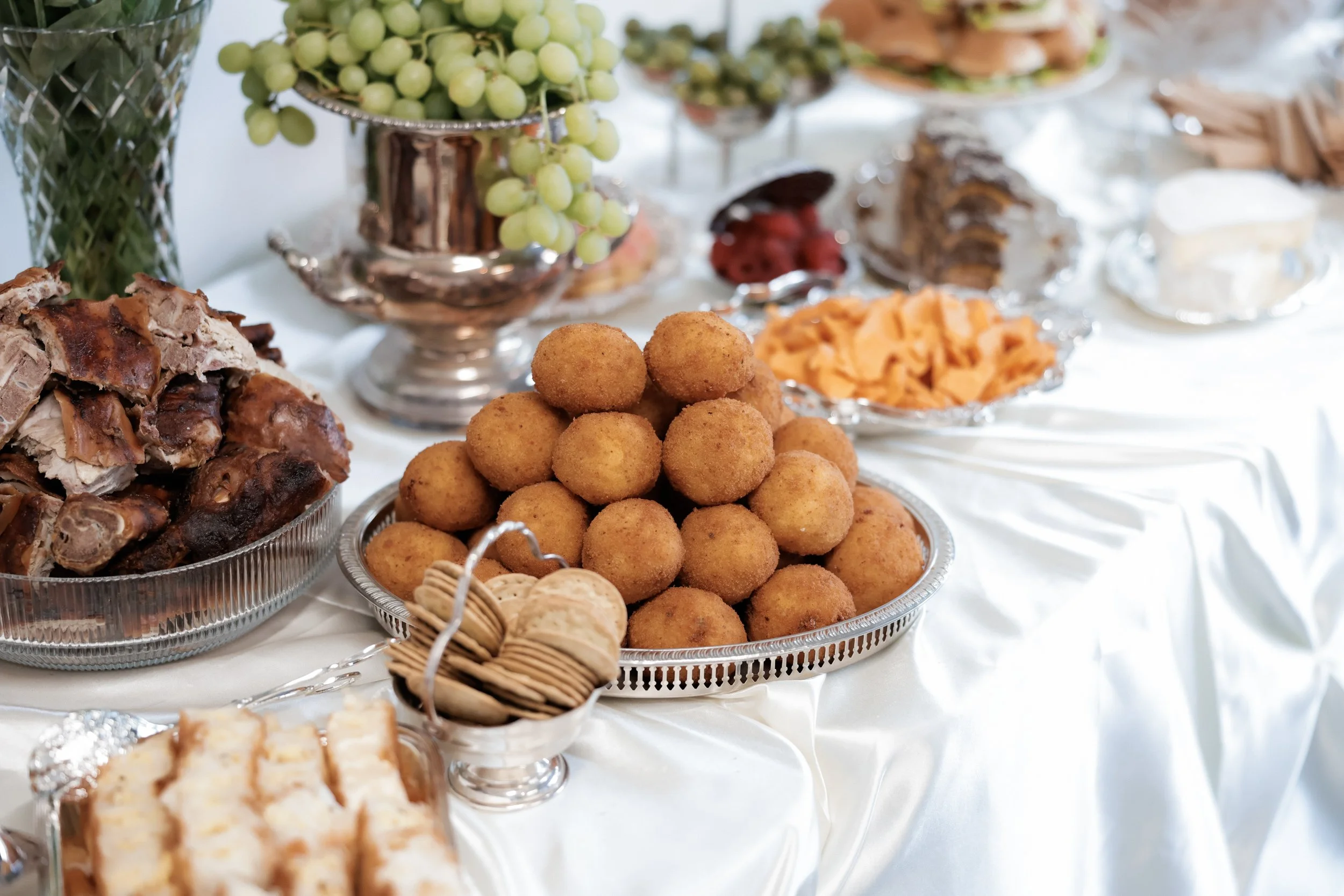
At a networking function, guests often need one hand free to hold a drink, exchange business cards, or use their phone. Food that requires several utensils, a large plate or a seated table can make these simple interactions harder.
Smaller portions and dishes that can be eaten comfortably in a few bites are generally easier during active networking periods. More substantial food can then be introduced later if the event runs across lunch or dinner.
This approach is also useful when developing corporate catering menu ideas, as the menu can follow the different stages of the function rather than relying on one service format for the entire event.
Match Food Service to the Networking Schedule
Food timing should follow the event program. Serving a major course immediately before a presentation, for example, can leave guests rushing to finish or carrying food when attention needs to move elsewhere. Instead, caterers can divide service around natural breaks. Light food may be available during arrival, followed by another service after presentations or structured networking sessions. Longer events may include a more substantial meal later. This also matters to catering for large groups, where serving everyone at once can create congestion. Spreading service across several points can help maintain a steady flow.
Consider the Service Style Before Choosing the Menu
Different networking events may need different catering styles. A short business mixer may suit roaming canapés and light bites, while a longer industry event could benefit from shared food stations or a more substantial buffet later in the program.
Live cooking can also work for events where organisers want food to become part of the experience. For networking event catering, choose the service style before finalising the menu because it affects how guests move, how quickly food is served, and how much space the catering setup requires.
Bring Italian Food Into the Networking Experience with Panza Piena
Panza Piena provides corporate catering for networking events, product launches, office functions and other business occasions across Melbourne. Its corporate service includes options ranging from larger buffet-style spreads to live chef stations, so the format suits different styles of professional events.
Italian food works particularly well in a social setting because pizza, pasta, and shared dishes can become part of the event rather than requiring a highly formal meal structure. For businesses considering networking event catering, Panza Piena can also manage setup, service, and pack-down, helping organisers focus on guests and the event itself.
Frequently Asked Questions
-
The best format allows guests to move freely and eat without stepping away from conversations for long periods. Smaller dishes, roaming food and strategically positioned serving stations can work well because they reduce the need for fixed seating. The right format still depends on the function's length and purpose. A short evening mixer may need lighter food, while a longer corporate event may require more substantial dishes later in the program.
-
Food should fit around the event's key moments. Offer light food as guests arrive, giving people something to enjoy during early introductions. Another service period can follow presentations, speeches or organised networking activities. For longer events, you can introduce a more substantial meal once the main formalities are complete. Planning catering around the schedule prevents food service from competing with speakers or important networking sessions.
-
Seated dining can work when the event includes a formal meal, but it is not always the best choice when the main goal is meeting new people. Fixed seating naturally limits how many guests someone can speak with during a meal. Standing or partially seated formats give guests greater freedom to move between conversations. A combination can also work, with open networking first and more structured dining later in the event.
Conclusion
The best networking events give people enough freedom to move, meet new contacts and hold meaningful conversations without the catering getting in their way. Food should fit around the event schedule, encourage movement and remain easy to enjoy in a social environment.
Well-planned networking event catering can make the room feel more active while keeping guests comfortable throughout the function. For businesses planning a corporate networking event in Melbourne, Panza Piena offers Italian catering with flexible service formats, including shared food and live chef experiences. Contact Panza Piena to discuss the format and catering needs for your next business event.