
Boardroom Catering in Melbourne: How to Plan Corporate Catering for Business Meetings
Food served during a boardroom meeting has a different role from catering at a large corporate event. It needs to fit around discussion, presentations and decision-making without becoming a distraction.
Good boardroom catering in Melbourne should be easy to serve, appropriate for the meeting and suitable for the available space. The best approach depends on who is attending, how formal the meeting is and how much time has been allocated for the meal.
What Should Boardroom Catering Provide?
Boardroom catering should make it easier for people to eat without unnecessarily interrupting the meeting. Presentation also matters, particularly when clients, executives or external partners are attending.
The food may need to remain on the table during discussion, so serving pieces should be compact and simple to manage. Meals should also arrive at an appropriate time so organisers are not trying to arrange food after a presentation has already started. Planning boardroom catering in Melbourne around these details creates a more organised meal and keeps the meeting itself as the priority.
Boardroom Catering Options for Different Business Meetings
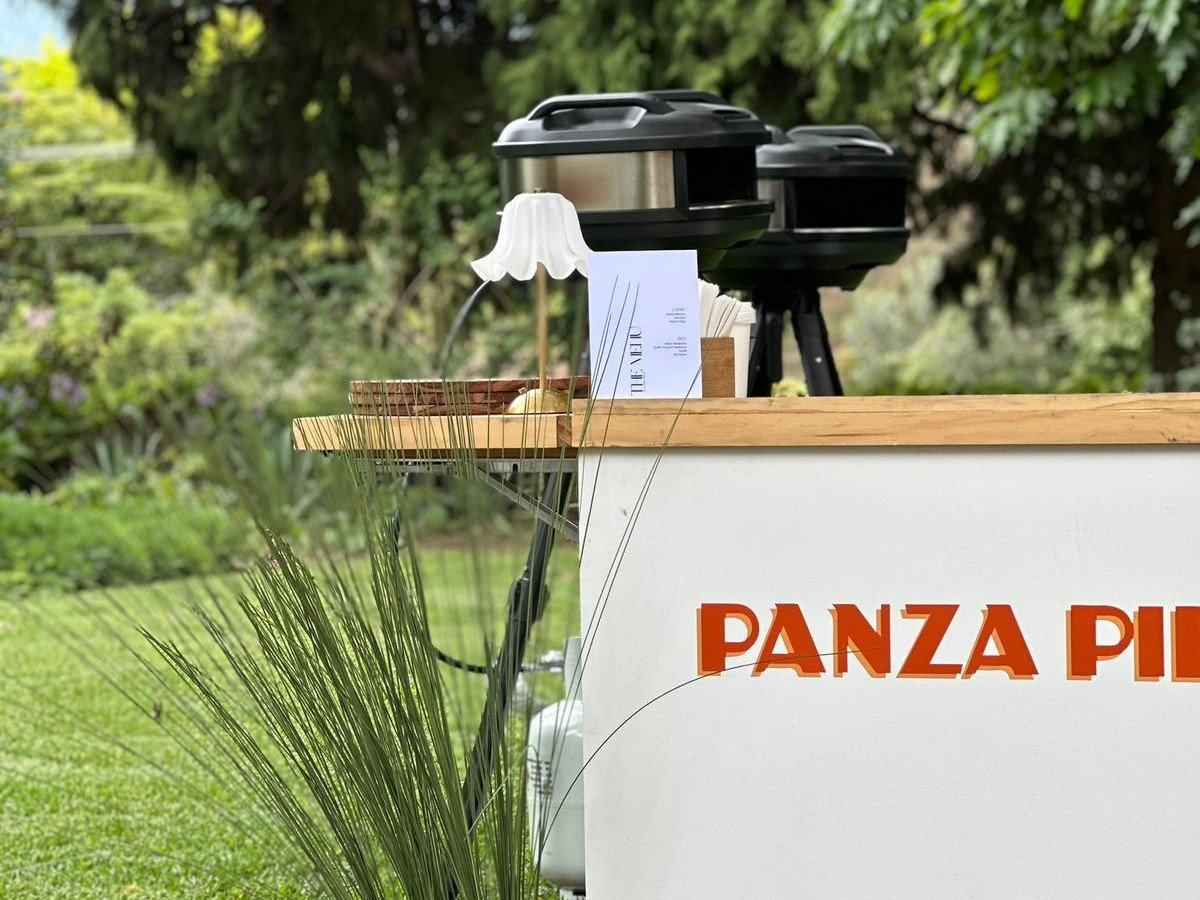
No single catering format suits every boardroom. A short internal meeting may need a simple meal, while a client presentation or executive lunch can call for a more complete dining experience.
Working Lunches for Meetings with Limited Breaks
A working lunch is useful when discussion needs to continue through the usual lunch period. Food should be easy to portion and should not require complicated serving arrangements.
Panini, focaccia, arancini, salads and other prepared dishes can work well because they can be placed on the table before lunch begins. This type of lunch catering This also lets attendees choose food at a convenient point in the meeting, rather than stopping the entire agenda for a formal buffet meal.
The key is keeping the table organised so documents, laptops and presentation materials still have enough space.
Individual Meals for Client and Executive Meetings
Individual meals can be useful when the meeting is formal or when organisers want each attendee to receive a complete portion.
They reduce the need to pass large serving dishes around the table and can make portioning simpler. This format is particularly practical during presentations where movement around the room needs to remain limited.
For boardroom catering in Melbourne, individual service can also create a more structured dining experience for client meetings, interviews, executive discussions, and other smaller business occasions where presentation matters more.
Shared Italian Meals for Longer Boardroom Sessions
Shared food can suit meetings that include a dedicated lunch break or a more relaxed discussion period. Italian dishes work naturally in this format because you can place several items together and share them across the table. Pasta, salads, arancini, focaccia and other dishes can form a complete meal without requiring multiple formal courses. For businesses already familiar with office catering Melbourne, this style can also bring some of the social quality of an office lunch into a smaller meeting while still keeping the setting professional.
Plan Food Service Around the Meeting Agenda
The catering schedule should follow the meeting rather than simply arriving at a standard lunch time. If an important presentation finishes at 12.30 pm, food arriving fifteen minutes earlier may create unnecessary movement while someone is speaking. It may be more practical to arrange everything before attendees enter or deliver it immediately before an agreed lunch break. Good boardroom catering in Melbourne also considers how the meal will be cleared. Used plates, packaging and serving dishes should not remain across the table for the rest of a long meeting if they can be removed without disturbing the discussion.
Choose Food That Suits a Boardroom Environment
The physical setting should influence the menu. Boardrooms often contain laptops, documents, notebooks and presentation equipment, leaving less space than a dedicated dining area.
Food that is difficult to portion, produces excessive crumbs or requires several serving utensils can quickly become inconvenient. Dishes that divide cleanly and can be served from compact trays are generally easier to manage.
For meetings where organisers want something more substantial, live pizza and pasta catering may suit a nearby office area better than a smaller boardroom. The catering format should always match the room.
Consider Drop-Off Catering for Smaller Meetings
Not every boardroom lunch needs catering staff throughout the meeting. Drop-off catering can work particularly well for smaller internal meetings, workshops, and planning sessions, offering a convenient solution for teams. Food can arrive prepared in trays or individual portions and be arranged before attendees sit down. This reduces movement during the meeting and gives the office more control over when lunch begins.
For boardroom catering in Melbourne, drop-off service can also make sense when the company already has suitable serving space and doesn't require a staffed event. The important point is ensuring the chosen dishes travel well and remain suitable for serving at the planned time.
Bring an Italian Boardroom Lunch to the Office with Panza Piena
Panza Piena caters for boardroom meetings as part of its Melbourne corporate catering service, with options including shared pizza, handmade pasta, antipasto, salads and Italian desserts. These dishes can be combined to create a simple office lunch or a more complete meal for longer business meetings.
This gives businesses several ways to approach boardroom catering in Melbourne, from lighter shared dishes to a more substantial Italian lunch that suits the meeting format and available dining time. For companies planning client meetings, staff sessions, or executive lunches, they can choose the service based on the meeting format, office space, and time available for dining.
Frequently Asked Questions
-
Food should be easy to serve and appropriate for the space available, particularly in corporate catering settings across Melbourne. Panini, focaccia, arancini, salads and prepared Italian dishes can work well for meetings where attendees need to continue working. Longer lunches may allow for shared pasta or a broader selection of dishes. Organisers should also consider how easily food can be portioned and how much table space will remain once plates and serving pieces are added.
-
Both can work, but the meeting format should guide the choice. Individual meals are useful for formal client meetings or presentations because they require less passing of food around the table. Shared dishes can suit internal meetings and longer discussions where attendees have more time to eat together. Consider available table space, meeting length, and level of formality before deciding between the two formats.
-
Catering should arrive with enough time for the organiser to check and arrange the food before the planned meal period. Delivery should not interrupt an important presentation or discussion. For meetings with a fixed lunch break, give the caterer the expected serving time, not just the meeting start time. This lets the food service fit more naturally into the agenda and reduces unnecessary disruption in the room.
Conclusion
Boardroom catering works best when you consider the food, service style, and meeting agenda together. Smaller meetings may suit individual meals or prepared trays, while longer sessions can accommodate a shared lunch with a broader range of Italian dishes.
Well-planned boardroom catering in Melbourne should support the meeting without taking attention away, providing delicious options that satisfy the team. Panza Piena offers corporate and office catering options for Melbourne businesses. Contact Panza Piena Catering to discuss an appropriate catering format for an upcoming boardroom meeting.